
Previously, we discussed how urban fire safety regulations—like Singapore’s SCDF Fire Code—require large Battery Energy Storage Systems (BESS) to maintain a massive 3-metre safety gap unless they have a certified fireproof shell. To help developers reclaim this wasted land, we committed to achieving the ultimate safety benchmark for our 261 BESS cabinet: The EI 120 Certification.
But what exactly is the “EI 120” standard, and why is it so hard to achieve?
Understanding the EI 120 Standard In the realm of international fire resistance testing, a cabinet claiming to be “fireproof” is meaningless without rigorous certification. Under the European standard (EN 13501-2) and similar global protocols, “EI 120” stands as a gold standard for compartmentalization:
- Integrity (E) — staying in one piece: the cabinet must not collapse, must not crack all the way through, and must not let flames break out the far side for more than 10 seconds.
- Insulation (I) — keeping the heat in: the outside of the cabinet must not get more than 140°C hotter on average, and no single spot may rise by more than 180°C.
- “120”— The system must sustain this extreme protection for a full 120 minutes.
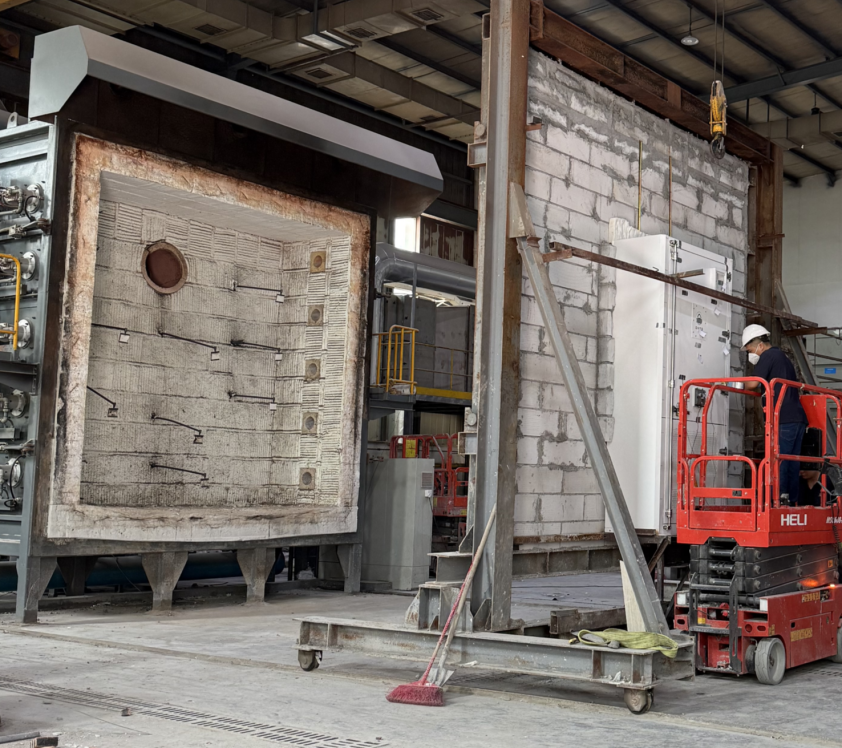
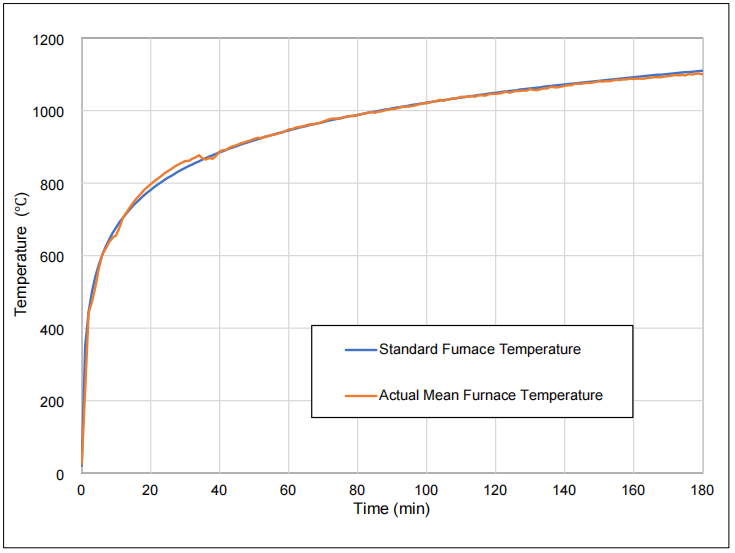
To earn this certification, our Luminary 261 cabinet was placed inside a purpose-built test furnace. Once sealed, the heat was aggressively increased along a standard time-temperature curve, rapidly escalating until the internal environment blasted past a terrifying 1,000°C.
In our next update , we will share the real problems we encountered during our early experiments, and detail how our engineering team improved the product to finally conquer the flames.